

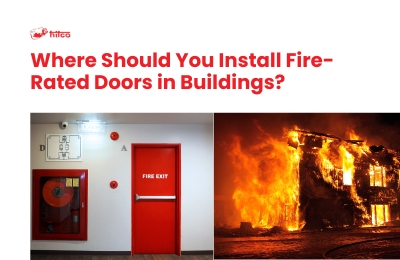
You should install fire-rated doors in stairwells, corridors, elevator lobbies, high-risk rooms, and between residential units and shared spaces anywhere fire or smoke could block an escape route or spread between zones.
Fire spreads faster than most people realize, and a small flame can turn life-threatening in under three minutes. The biggest reason buildings fail during fires isn’t the fire itself; it’s that fire doors were missing or placed in the wrong spots.
Most people treat fire doors as a formality. But the right door in the right place, with the correct rating, can be the only thing standing between a safe evacuation and a building full of smoke.
If you’re building, renovating, or managing a property, knowing where are fire-rated doors required is more than ticking boxes. It’s about actually protecting people.
Not sure which fire-rated door fits your building? Talk to our experts at Hitco and get the right recommendation before you install.
Fire-Rated Door Placement: Quick Summary for Safety
Fire-rated doors are not just another building item; they are a safety barrier that can slow down fire and smoke. Knowing the right places to install them helps protect lives and keeps escape routes safe during an emergency.
Key Points:
- Fire-rated doors are required in stairwells, corridors, elevator lobbies, and exit routes
- They must be installed between fire zones to stop fire from spreading
- High-risk rooms like kitchens, electrical rooms, and generator rooms always need fire doors
- In residential buildings, fire doors are required between flats and shared areas
- These doors help keep escape paths clear from smoke and heat
- Every fire door must close automatically and latch properly
- Choosing the correct fire rating (30, 60, or 90 minutes) is essential
- Fire doors must follow local rules like the Nepal National Building Code (NBC)
- Poor installation or wrong placement can make them useless
In short, fire doors only work when they are placed in the right spots and installed correctly. Get it right early, and you protect both people and property when it matters most.
What Are Fire-Rated Doors and Why Do They Matter?
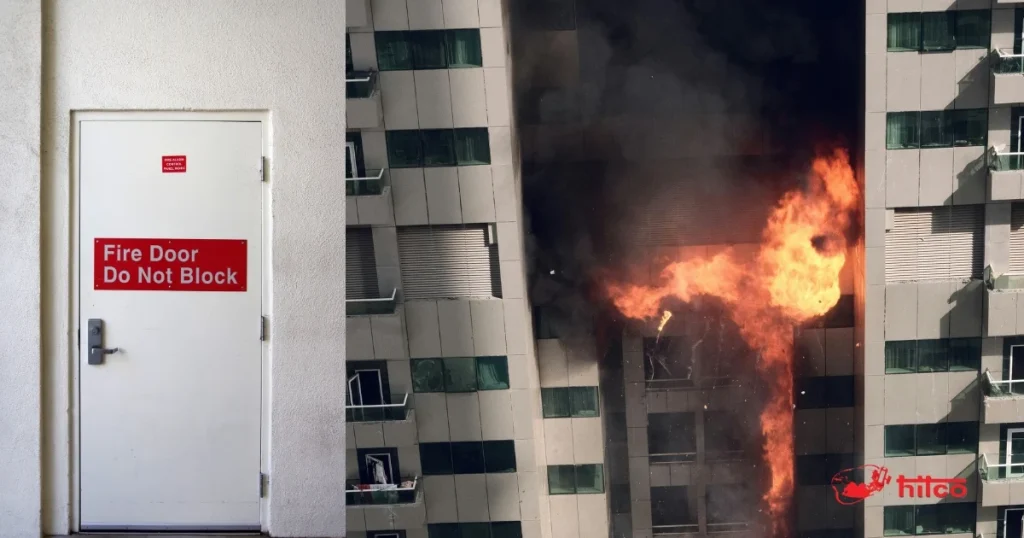
Fire-rated doors are specially engineered doors that resist fire, heat, and smoke for a set period of time, giving occupants a safe window to evacuate and preventing fire from spreading between zones.
If you’re new to this topic, it helps to first understand what fire safety and prevention actually means before diving into door placement.
Unlike standard doors, they are built with heat-resistant cores and intumescent seals that expand under heat, automatically sealing gaps around the frame to block flames and toxic smoke.
Why Does Proper Fire Door Placement Matter in Real Life?
Imagine a fire starting in a commercial kitchen on the ground floor of a multi-story building. Without a fire-rated door separating the kitchen from the corridor, smoke and flames can reach the stairwell within minutes, cutting off every escape route above. A properly installed fire-rated door holds that boundary, keeping the corridor clear and giving people the time they need to get out safely.
Where Are Fire-Rated Doors Required in Buildings?
Fire-rated doors are required in stairwells, corridors, elevator lobbies, and exit routes. Understanding the correct fire rated door installation locations is the foundation of any proper fire safety plan. Fire doors aren’t just for factories or high-rises; knowing where are fire-rated doors required can mean the difference between a safe building and a deadly one. Here’s exactly where they need to go.
1. Stairwells and Exit Access Areas
When it comes to fire rated doors for stairwells and exits, there is no room for compromise. Stairwells are the primary escape route in any multi-story building. A fire door at every stairwell entry keeps smoke out and the path clear long enough for everyone to get out safely. This is one location where are fire doors mandatory, regardless of building type or size.
2. Corridors and Hallways (Egress Routes)
Corridors are how fire travels fastest through a building. Knowing where to install fire doors in buildings starts here. Fire doors placed along hallways, especially at floor transitions, slow that spread and keep exit paths usable. Without them, a single fire can cut off escape routes for an entire floor.
3. Building Compartmentation Areas
Large buildings are divided into separate fire-resistant zones. Fire doors form the boundary. Fire door compartmentation requirements exist for good reason. Large buildings are divided into separate fire-resistant zones. Fire doors form the boundary between these zones so a fire in one area stays there. It’s called compartmentation, and it’s a core part of how modern buildings control fire spread.
4. High-Risk Rooms and Hazard Areas
Some rooms carry a much higher fire risk and almost always require a rated door regardless of building type:
- Boiler rooms
- Generator rooms
- Electrical and switchgear rooms
- Commercial kitchens
- Chemical storage rooms
These spaces typically need 60- or 90-minute rated doors, not 30. Knowing where are fire-rated doors required in these zones and selecting the right rating are critical.
Fire doors are just one part of the equation. See the full list of fire safety equipment every business must have to cover all your bases.
5. Residential Buildings and Apartments
A lot of people assume fire rated door locations in residential buildings are limited to stairwells only. That’s wrong. In apartment blocks, the door between each flat and the shared corridor is often legally required to be fire-rated. Shared lobby areas need the same protection; it keeps your escape route safe even if a fire starts in someone else’s unit.
6. Elevator Lobbies
Elevator shafts run through every floor of a building. Without a fire door at the lobby, they act like chimneys, pulling smoke and fire upward fast. This is especially critical in high-rise buildings where upper floors need more evacuation time. Fire door placement regulations in most building codes specifically address elevator lobbies for this reason.
7. Horizontal Exits and Refuge Areas
In large buildings like hospitals or shopping malls, not everyone can exit at once. Refuge areas give occupants a protected space to wait while evacuation happens in stages. Fire doors are what actually make those areas safe; without them, it’s just a regular room.
8. Exterior Openings Near Adjacent Buildings
If your building sits close to another structure, fire can jump between them through unprotected openings. Fire-rated doors at these exterior points reduce that risk, protecting your building and the one next door.
Need help choosing the best fire safety solution? Visit Hitco Fire Safety Products and explore your options.
Important Fire Door Requirements You Must Follow
Installing a fire door in the right location is only half the job. The door also has to actually work when it matters most. Here are the core requirements you need to get right:
- Self-Closing and Self-Latching Mechanism: Every fire door must close and latch automatically. A propped-open door protects nothing, and a door that doesn’t latch properly still lets smoke through.
- Proper Fire Rating Selection: a 30-minute door in a 60-minute zone fails inspection and fails people. When unsure between two ratings, always go higher.
- Compliance with Building Codes: Fire door requirements in buildings are legal obligations, not suggestions. In Nepal, the Nepal National Building Code (NBC) sets the standard, and enforcement is getting stricter every year.
Get these three things right and the door will do its job. Miss any one of them and the rest doesn’t matter.
For a complete overview of what compliance looks like in practice, refer to this fire safety guide covering all key requirements.
Fire Door Regulations in Commercial vs Residential Buildings
Fire doors in commercial buildings and residential buildings operate under different rules. Requirements vary based on risk level, occupancy, and how the building is used. Here’s the quick breakdown.
Commercial Buildings
Commercial buildings face stricter requirements; higher occupancy and more complex layouts mean more fire zones, higher ratings, and more doors overall. The entire building is designed around fire containment from the start, not treated as an afterthought.
Residential Buildings
Residential requirements are simpler but equally important. The focus is on safe evacuation fire doors between units and shared corridors, protected stairwells, and covered lobby areas. That door on your flat entrance protects your escape route and everyone else’s on the same floor.
Common Mistakes to Avoid When Installing Fire Doors
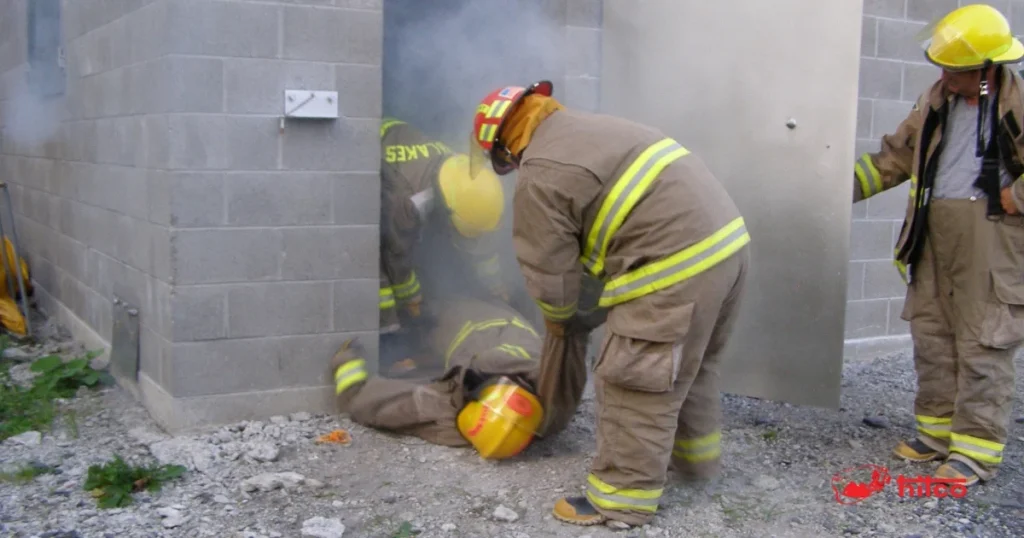
Most fire door failures come down to avoidable mistakes. Here are the ones that come up again and again:
- Installing in the wrong location: placing a fire door where it isn’t needed and skipping areas where it is
- Using the wrong fire rating: fitting a 30-minute door in a 60-minute zone
- Wedging or propping doors open: completely defeats the purpose
- Poor installation: gaps around the frame, wrong intumescent seals, loose hardware
- Skipping maintenance: fire doors need periodic checks to make sure seals, closers, and latches still work
- Ignoring local building codes: what works in one country may not meet standards in another
None of these are complicated problems. They’re just things that get skipped when people are moving fast or cutting costs.
How to Choose the Right Fire Door (Simple Checklist)
Not every fire door is right for every location. Before you buy or specify one, work through this:
- Identify the risk level: is this a garage, a corridor, a stairwell, or an industrial zone? The location determines the rating you need.
- Check legal requirements: verify what your building code requires for that specific area. Ratings typically range from 20, 30, 60, 90, to 120 minutes depending on the zone.
- Select the right material: steel doors for high-risk and industrial areas and WPC or composite fire doors for residential and light commercial use.
- Ensure correct hardware: the door is only as good as what’s on it. Proper hinges, a certified door closer, and intumescent seals are non-negotiable.
- Verify certifications: make sure the door and its components are certified to the standard required in your region before installation.
Don’t just buy a door that looks solid. Buy one that’s tested, certified, and rated for the specific job it needs to do.
It also helps to understand the process of fire safety service so you know what ongoing inspections and maintenance actually involve once the door is in place.
How HITCO Provides Reliable Fire-Rated Door Solutions
-

 Quick View
If you’re sourcing fire-rated doors in Nepal, HITCO takes the guesswork out of it. Here’s what we bring to the table:
- Certified fire-rated doors: every door we supply is tested and certified to meet required fire safety standards, so you’re not taking a risk on the product itself.
- Compliance with safety standards: Our doors are built to align with both Nepal National Building Code requirements and internationally referenced fire safety guidelines.
- Expert guidance and installation: not sure which rating fits which location? We help you figure that out before you buy, not after something goes wrong.
- Suitable for Nepal building needs: understanding fire door requirements Nepal means knowing local construction types, climate, and code specifics. Our doors are designed with all of that in mind, not a generic imported product dropped into a different context.
We don’t just sell fire-rated doors; we make sure you get the right one, installed correctly, and compliant with local standards. That’s the kind of support that actually matters on a real building project.
Ready to source a door that’s tested, certified, and built for Nepal’s building requirements? Have a look at HITCO’s fire-resistant door.
Final Thoughts
Fire doors are one of those things nobody thinks about until they really need one. They don’t look impressive, and most people walk through them every day without a second thought. But that quiet reliability is exactly what makes them so important.
When a fire actually starts, every minute matters. The difference between a controlled evacuation and a catastrophe often comes down to whether the right doors were in the right places installed correctly, maintained properly, and rated for the job.
Getting that right isn’t complicated. Know where are fire-rated doors required, pick the correct rating for each location, and make sure the full system frame, seals, closer, and hardware are working as they should. Skip any part of that and the door is just decoration.
Fire safety isn’t something you fix after a disaster. It’s something you get right before one ever happens.
Equipping your team matters just as much as the right doors. Explore fire safety training in Nepal to make sure your people know exactly what to do when it counts.
Ready to get your fire door installation right the first time? Contact us today and let our team guide you to the safest, most compliant solution for your building.
FAQs
Where are fire-rated doors required in buildings?
Fire-rated doors are required in stairwells, corridors, elevator lobbies, high-risk rooms, and between residential units and shared spaces. Exact locations depend on building type, size, and local building codes.
Are fire-rated doors mandatory in residential buildings?
Yes. Apartment blocks require fire doors between individual units and shared corridors, stairwells, and lobby areas. Requirements vary by country and building height.
What is the purpose of fire-rated doors?
Fire-rated doors slow the spread of fire and smoke between areas of a building. They protect escape routes and give occupants enough time to evacuate safely.
What fire rating is required for different areas?
30 minutes for low-risk residential separations, 60 minutes for standard corridors and compartment walls, and 90 minutes or more for high-risk zones. Always verify with your local building code.
Can fire-rated doors be kept open?
No. Fire doors must stay closed at all times or be fitted with a hold-open device linked to the fire alarm system. A propped-open fire door provides no protection at all.
Are fire doors required in stairwells and corridors?
Yes, these are two of the most critical locations. Stairwells are primary escape routes, and corridors are how fire spreads, so both need proper fire door protection.
What are the fire door requirements in Nepal?
Nepal follows the Nepal National Building Code (NBC), which requires fire-rated doors in commercial buildings, multi-story residential buildings, and high-occupancy structures. Consult a certified supplier for project-specific guidance.

