

Most people in Nepal have a fire extinguisher at home or in the office, but when it comes to fire extinguisher safety tips for storage and use in Nepal, many still don’t know what to do or if their extinguisher even works.
That’s a real problem. A fire doesn’t give you time to figure things out.
You grab it. You panic. You don’t know which end to point. And by the time you figure it out, the fire has already spread.
This guide covers everything simply: how to store it, how to use it, when to check it, and what most people get wrong. Just practical, useful information that could actually save your life or someone else’s.
Read it once. Share it with your family or team. Then go check your extinguisher because there’s a good chance it needs attention right now.
Why Fire Safety Matters in Nepal?
Nepal’s cities, especially Kathmandu, have buildings packed close together. Roads are narrow, and fire trucks often can’t reach in time. By the time help arrives, the fire has already spread.
It’s not just Kathmandu either. Dense settlements across Nepal face the same risk. One small fire in the wrong place can affect an entire block.
Common causes of fires in Nepal include:
- Electrical short circuits from old or overloaded wiring
- LPG gas leaks in kitchens
- Open flames from candles, incense, or cooking stoves
- Overloaded extension cords and faulty appliances
Most of these fires start small. A spark. A gas smell. A forgotten flame. At that stage, a fire extinguisher can stop it completely.
But when a fire starts, you have about 2–3 minutes before it spreads seriously. No time to read instructions. No time to find the extinguisher. That’s why being prepared before a fire starts makes all the difference.
If you want a deeper understanding, it’s worth learning more about fire safety and prevention to stay better prepared.
Top Safety Tips for Storing and Using Fire Extinguishers in Nepal
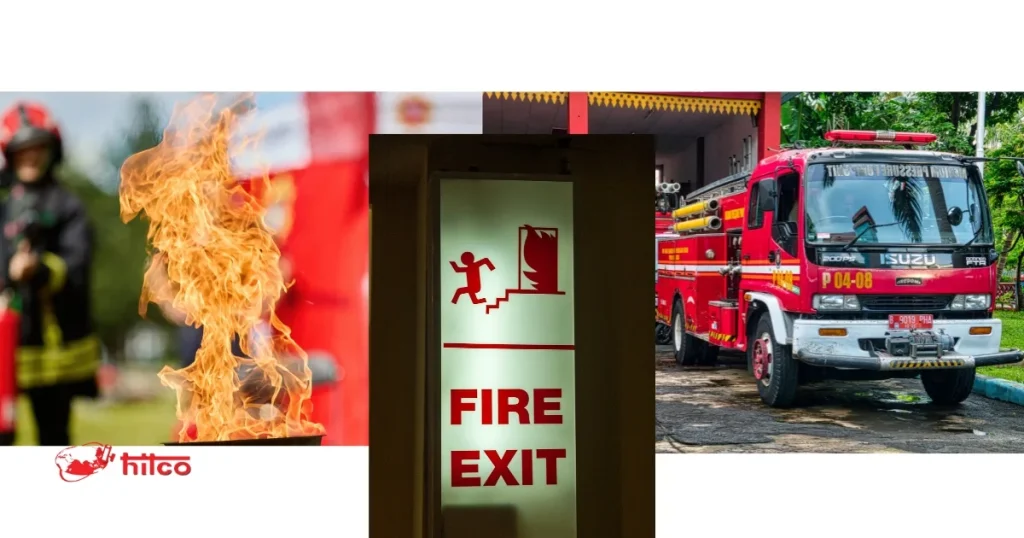
Proper storage and strategic placement are just as important as the refill itself. In Nepal’s varied climate from Kathmandu’s dust to the Terai’s humidity, how you keep your extinguisher determines if it will actually work in a crisis. Follow these essential tips to ensure your equipment stays battle-ready.
1. Place Fire Extinguishers Near Exits
This is the most important placement rule. Put your extinguisher near a door or exit somewhere you can grab it quickly while still having a way out.
Never place it deep inside a room or inside a cabinet. If a fire blocks access to it, it’s useless.
Following basic fire extinguisher placement near exits can literally be the difference between escaping safely and getting trapped.
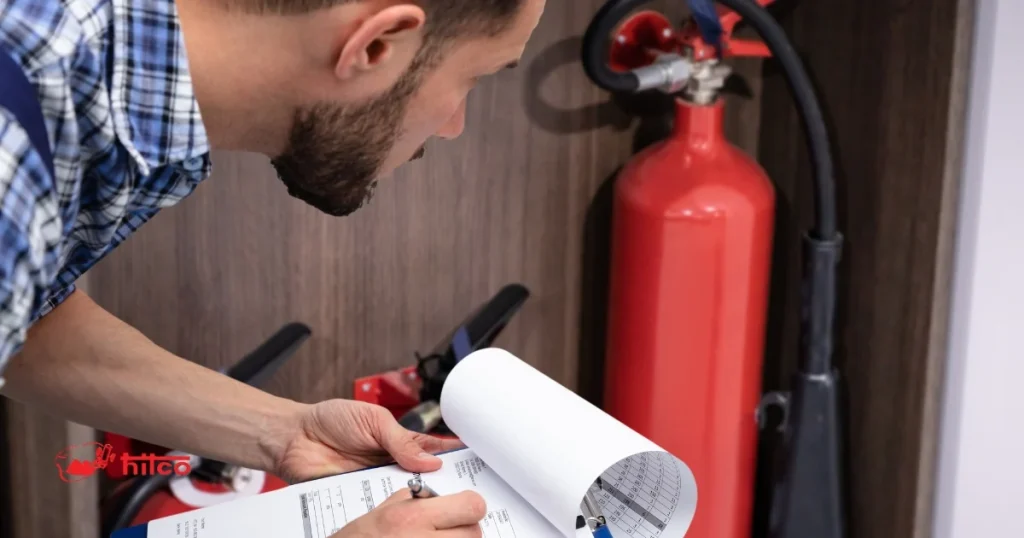
2. Perform Monthly Safety Checks
A quick fire extinguisher monthly inspection checklist doesn’t take more than 2 minutes.
- Check the pressure gauge. The fire extinguisher pressure gauge’s meaning is simple: green means ready, and red means there’s a problem.
- The safety pin is fully in place
- The tamper seal is unbroken
- No dents, rust, or visible damage on the body
Do this once a month. Set a reminder on your phone if you need to.
It takes almost no effort, but it tells you whether the thing will actually work when you need it. For a complete breakdown, following a proper fire extinguisher maintenance guide in Nepal can help you stay on track.
3. Choose the Right Type of Fire Extinguisher
Not all fires are the same, so not all extinguishers work the same way.
- ABC dry powder: good for general use at home or in the office. Covers most fire types.
- CO₂ extinguisher: best for electrical fires. Safe around electronics.
- Wet chemical: designed for kitchen fires involving cooking oil or fat.
If you’re unsure, ABC is usually the safest default for homes. For offices with lots of electrical equipment, keep a CO₂ extinguisher nearby too.
Not sure which one to pick? Understanding the difference between ABC vs CO₂ fire extinguishers can make the choice much easier.
For broader residential tips, read our step-by-step checklist on how to choose fire extinguisher for home in Nepal to shield your living spaces.
4. Learn and Practice the PASS Method
This is the standard method for how to use a fire extinguisher step by step. It’s simple and easy to remember:
- P – Pull the safety pin
- A – Aim the nozzle at the base of the fire
- S – Squeeze the handle to release
- S – Sweep side to side across the base
The important thing is to aim at the base, not the flames themselves. That’s where the fuel is. Spraying at the top of the fire does very little.
Practice this in your head a few times. When panic kicks in, your brain goes blank. Muscle memory and mental rehearsal actually help.
If you’re not confident using it, don’t take chances; get the right guidance or choose a reliable, certified extinguisher in Nepal today from Hitco.
5. Keep Fire Extinguishers Visible and Accessible
Don’t put it behind furniture. Don’t stack things in front of it. Don’t hide it in a corner because it “looks messy.”
Visibility saves time. If someone else needs to grab it – a family member or employee – they need to find it immediately.
Wall-mounted brackets work well. Eye level is ideal. Clear signage helps in larger offices, which is a core corporate requirement when mapping out fire extinguisher for commercial use in Nepal layouts.
6. Maintain a Safe Operating Distance
Stand about 2–3 meters away from the fire when using an extinguisher. Close enough to be effective, far enough to protect yourself if the fire reacts.
Don’t rush toward the flames. Many people instinctively move too close, and that’s how they get hurt.
7. Refill or Recharge Fire Extinguisher After Every Use
Even if you used it for just a few seconds to stop a small fire, get it refilled. A partially discharged extinguisher looks fine from the outside but may not have enough pressure to work in the next emergency.
Fire extinguisher refill and servicing in Nepal are available through certified suppliers. It’s not expensive, and it’s far cheaper than dealing with a fire that couldn’t be stopped. Getting regular servicing done is simple, and understanding the full fire extinguisher refilling and maintenance process in Nepal can save you trouble later.
8. Avoid Using Fire Extinguisher on Large or Spreading Fires
A fire extinguisher handles small, contained fires. If a fire is spreading beyond its starting point, covering the ceiling, or filling the room with smoke, don’t try to fight it.
Evacuate. Close doors behind you to slow the spread. Call the fire brigade.
Honestly, this is where people make their biggest mistake—trying to be a hero instead of getting out safely. Knowing common fire extinguisher mistakes to avoid can help you make the right decision in these situations.
9. Store Fire Extinguishers Properly
These are the basic fire extinguisher storage tips that most people skip:
- Keep away from direct sunlight and excessive heat
- Avoid damp or humid areas; moisture causes corrosion
- Don’t store near heat sources like stoves or electrical panels
- Keep upright and mounted securely
Nepal’s climate, especially the monsoon season, can accelerate rusting. Check for corrosion regularly, especially in kitchens or outdoor storage areas.
10. Train Everyone on Fire Safety Basics
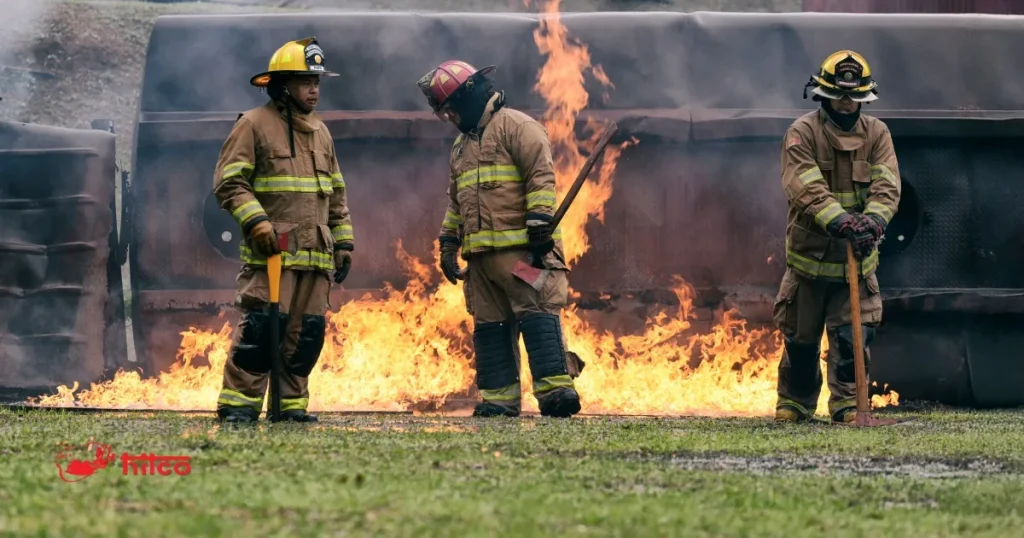
This one is underrated. Having a fire extinguisher in the office means nothing if only one person knows how to use it and that person isn’t there when the fire starts.
Train your family. Train your staff. Run a basic drill every 6 months. It doesn’t need to be complicated. Even a 15-minute walkthrough makes a real difference.
These fire safety tips for homes in Nepal apply equally to small offices, shops, and schools. Everyone should know the basics, and proper fire safety training in Nepal can help ensure everyone is prepared in an emergency.
If you’re unsure which fire extinguisher to use, you can explore our five types of fire extinguishers to see what fits your home or office best.
Fire Extinguisher Maintenance Schedule You Should Follow
An extinguisher that hasn’t been maintained is just a red cylinder. It looks ready, but it might fail you when it matters most.
Here’s a simple schedule to follow:
Maintenance Task | How Often | Why It Matters |
Quick visual check | Every month | Confirm pressure and no visible damage |
Professional inspection | Once a year | Verify it meets safety standards |
Recharge or replace after use | Immediately | Even partial use can leave it ineffective |
Fire safety training and drills | Every 6 months | Keep everyone calm and prepared |
The fire extinguisher maintenance schedule above covers both home and office use. Stick to it. Professional inspections especially matter; a visual check won’t catch internal pressure problems or valve issues.
Learn more about how often should you service a fire extinguisher in Nepal for corporate compliance.
Buy Reliable Fire Extinguishers in Nepal from Hitco
-
 Quick View
 -
 Quick View
 -
 Quick View
 -
 Quick View
 -
 Quick View
 -
 Quick View
 -
 Quick View
 -
 Quick View
If you’re looking for certified, reliable fire extinguishers in Nepal, Hitco is a trusted option.
We offer:
- Certified fire extinguishers suitable for home and office
- Refilling, servicing, and maintenance support
- Expert advice to help you choose the right type
- Compliance with fire safety standards
Whether you’re setting up a new space or need to replace or service an existing unit, we have the support you need.
Looking for the best fire extinguisher in Nepal? Contact us today and get a product you can trust from Hitco.
Final Thoughts
Fire safety doesn’t need to be complicated. You don’t need to be an expert. You just need to be prepared.
Check your extinguisher once a month; it takes two minutes. Make sure it’s placed near an exit. Know the PASS method. And please, train at least one other person in your home or workplace.
The sad truth is that most fire-related tragedies in Nepal happen not because people lacked equipment but because they didn’t know how to use it, or the extinguisher wasn’t maintained.
In the end, following the right fire extinguisher safety tips for storage and use in Nepal isn’t just about rules, it’s about being ready when it matters most.
Stay safe, keep your exits clear, and remember if a fire looks too big to handle, just get everyone out. For more comprehensive safety solutions, visit HITCO Nepal today.
FAQs
How do I know if a fire extinguisher is still working properly?
Check the pressure gauge needle; it should be in the green zone. Also check the safety pin, tamper seal, and body for rust or damage. Anything looks off? Get it inspected.
What does the pressure gauge on a fire extinguisher mean?
Green = charged and ready. Red left = undercharged. Red right = overcharged. Only green is safe.
Can I use one fire extinguisher for all types of fires?
Not always. ABC dry powder works for most fires. CO₂ is better for electrical, and wet chemical is best for kitchen grease fires.
What happens if a fire extinguisher expires?
It may not discharge properly. Pressure drops, parts degrade. Replace or get it tested immediately.
How often should a fire extinguisher be replaced?
Every 5–10 years with proper maintenance. Annual inspections will tell you exactly when.
Do fire extinguishers need professional servicing in Nepal?
Yes. Once a year, even if it looks fine. A technician checks things a visual inspection simply can’t.
What should I check during a fire extinguisher inspection?
Pressure gauge in green, safety pin intact, tamper seal unbroken, no rust or damage, nozzle clear.
Where should I not place a fire extinguisher?
Not behind furniture, in locked rooms, or near heat sources. Always near exits visible and easy to grab.

