


Using a Material Handling Equipment Buying Guide can help your business choose the right tools for smoother operations, better productivity, and increased workplace safety.
Buying material handling equipment isn’t just another box to check off on your shopping list; it can really make a difference in how smoothly your business runs. Better productivity, increased workplace security, and a higher return on investment are all possible with the correct tools to help your team operate more quickly and safely. Making the right decision will improve every aspect of your business!
Regardless of whether you’re handling barrels, pallets, cartons, or other huge objects, the wrong equipment leads to downtime, safety hazards, or lost investments. You can use the material handling equipment buying guide in this guide as a reference to help you make decisions that are informed, confident, and backed by industry expertise.
Material Handling Equipment Buying Guide

Before investing in material handling equipment, it’s smart to go through a quick checklist to make sure you pick the right gear for your business. Follow this material handling equipment buying guide before investing in new machinery:
Let’s walk through the key points to tick off before you buy!
- Understand your load type and volume.
- Evaluate the area and layout of your facility.
- Determine the manual vs. automated equipment needed.
- Inspect the key safety and durability features.
- Balance the budget with long-term value.
- Choose a dependable vendor with complete assistance.
- Test before purchasing and plan for future upgrades or scalability.
Let’s go over this in more depth now.
How to Choose Material Handling Equipment for Your Business?
Choosing material handling equipment isn’t just about picking the fanciest machine or what someone recommends online.
It’s really about finding tools that fit how your business works every single day. With so many different options out there, it helps to think about what your team actually does, how your workspace is laid out, and what will make everything run smoothly.
Let’s break down how to find the best fit for your company!
- Storage and handling equipment: Designed for organizing and storing inventory, such as racks (pallet, push-back, drive-in, pallet flow, stack, cantilever), shelving (standard, high-density), mezzanines, carousels, and pick modules.
- Industrial trucks: Used for transporting materials within a facility, including forklifts (counterbalance, reach trucks, and order pickers), pallet jacks, walkie stackers, automated guided vehicles (AGVs), and autonomous mobile robots (AMRs).
- Bulk material handling equipment: Allows for the transfer of bulk products such as gravel, sand, or soil, which necessitates the use of heavy-duty equipment with containment to minimize spillage and assure stability.
- Automated and Intelligent Systems: Incorporate cutting-edge technology like AI and IoT to boost efficiency, enhance accuracy, and enable real-time data monitoring.
Equipment Needed for Your Industry and Workload

Whether you’re managing a fast-paced construction crew, running a manufacturing floor, or handling delicate installations, having the proper equipment ensures efficiency, minimizes downtime, and protects your team. In this section, we’ll break down the must-have equipment tailored to your industry’s challenges and the realities of your busiest workdays, so you’re always one step ahead.
Step 1: Be Honest About Your Materials
If you’re moving heavy, bulky stuff (think appliances, machinery, or anything over 500 pounds), you need equipment with some muscle. Forklifts, hoists, and heavy-duty systems aren’t just nice to have; they’re essential for safety and efficiency.
Moving lighter, delicate items? You need finesse, not brute force. Padded equipment, gentle handling systems, and tools designed for precision work will save you from dealing with damaged goods and frustrated customers.
Got hazardous materials? This isn’t the place to cut corners. You need specialized equipment designed for safety, with proper containment and safety features that meet regulatory requirements.
Step 2: Volume Matters More Than You Think
Low Volume (Under 100 moves per day): Keep it simple. Manual equipment like pallet jacks and hand trucks will do the job without breaking the bank. Your team can handle the variety of tasks, and you won’t be locked into rigid systems.
Moderate Volume (100-500 moves per day). This is where powered equipment starts making sense. Stackers, powered jacks, and semi-automatic systems give you efficiency without the complexity of full automation.
High Volume (Over 500 moves per day) Now we’re talking serious automation. Conveyor systems, automated vehicles, and robotic solutions aren’t just cool they’re necessary to keep up with demand while controlling labor costs.
Step 3: How You Pick Orders Changes Everything
Picking Individual Items? You need systems that bring efficiency to detailed work, like pick-to-light systems, well-organized carts, and tools that reduce walking and searching time.
Picking Cases or Boxes? Think bigger: reach trucks, organized shelving systems, and equipment that can handle multiple items efficiently.
Picking Full Pallets? Go big with counterbalance forklifts, automated pallet systems, and high-bay storage that maximizes your space.
Need help finding the right fit?
HITCO offers free consultations and tailored equipment solutions. Talk to our experts now
Manual vs Semi-Automatic vs Fully Automatic Equipment: Pros & Cons
The table below shows the difference between manual, semi-automatic, and fully automatic:
Aspect | Manual | Semi-Automatic | Fully Automatic |
Operation | Fully by human effort | Shared between humans and machines | Handled entirely by machines and automation |
Labor Dependency | High | Moderate | Very Low |
Initial Cost | Low | Moderate | High |
Efficiency | Low | Moderate to High | Very High |
Flexibility | High (easily adjusted manually) | Moderate | Low (harder to adapt quickly) |
Accuracy | Depends on human precision | Improved with machine aid | Consistently high |
Speed | Slow | Faster than manual | Fastest |
Safety Risks | Higher (prone to human error and injury) | Reduced with mechanical help | Lowest (minimal human exposure) |
Maintenance | Minimal | Moderate | Requires skilled maintenance and support |
Suitability | Small-scale or low-budget operations | Medium-sized operations, flexible production | High-volume, repetitive tasks in industrial environments |
How to Assess Your Material Handling Needs (Checklist Included)

Use this material handling equipment buying guide to ensure your investment fits your business needs and maximizes efficiency.
Step 1: Ask yourself.
- What is the average weight of your material?
- How bulky or fragile is it?
- Is it solid, liquid, or hazardous?
Step 2: Then, observe the spaces and layouts.
- Aisle width
- Floor load capacity
- Vertical space for stacking
Step 3: Consider the operation time: how long you will use the equipment
- Daily usage hours
- Need for shift-based operation
- Future scaling plans
Use this material handling checklist to avoid purchasing equipment that doesn’t fit real-world operations. Contact HITCO now for further assistance.
Key Features to Look for in Material Handling Equipment
Material Handling Equipment must be dependable, secure, and capable of handling any difficulties that may arise during the workday. Durable means you won’t have to deal with repairs or malfunctions all the time. Safety features protect your crew. And of course, you’ll want something user-friendly.
Before purchasing, refer to this material handling equipment buying guide to ensure you select the most suitable equipment for your business in Nepal.
Firstly, prioritize safety by searching for:
- Buttons for emergency stops
- Compatibility of safety harnesses or guardrails
- Shock absorbers and anti-slip surfaces
- Maintenance Simplicity
Also, ask the suppliers these questions to avoid any confusion or being misled.
- Are repair instructions available from the vendor?
- Are replacement components readily available?
- Is it possible for your internal staff to perform simple checks?
At HITCO, we offer you all the guidance you need.
How to Budget for Material Handling Equipment and Calculate Total Cost of Ownership?

The initial purchase price includes long-term expenses. A trustworthy seller is as important as selecting the appropriate equipment.
You should consider these few things before buying:
Compare Upfront and Long-Term Costs: Don’t let the price alone entice you. Think about repair expenses, use of energy (for automated tools), and the frequency of malfunctions.
Service contracts, warranties, and spare parts : Choose equipment with free service checks, easily accessible replacement parts, and a one- to three-year warranty.
Purchasing vs. Leasing: Leasing is a good option for short-term or seasonal tasks. If the equipment will be used daily for years, purchasing it makes sense.
If you are not sure what fits best or need expert advice on budgeting? Read our How to choose the best material handling equipment?
Choosing the Right Vendor or Supplier for Material Handling Equipment in Nepal
You should follow these while choosing a vendor or supplier for buying the material handling equipment:
Vendor Reputation: Do they have verifiable customer reviews? Are they known in your industry?
Support Matters: Good suppliers like HITCO offer:
- Post-purchase support
- Installation guidance
- On-site repairs or virtual servicing
Timelines & Delivery: Ask about lead time, setup help, and replacement guarantees.
Need help building your material handling equipment list? HITCO experts can assist.
Buy Material Handling Equipment from Hitco
HITCO has been a trusted industrial solutions provider for over 20 years. Here’s why hundreds of clients trust us:
- Certified and tested products (ISO-compliant)
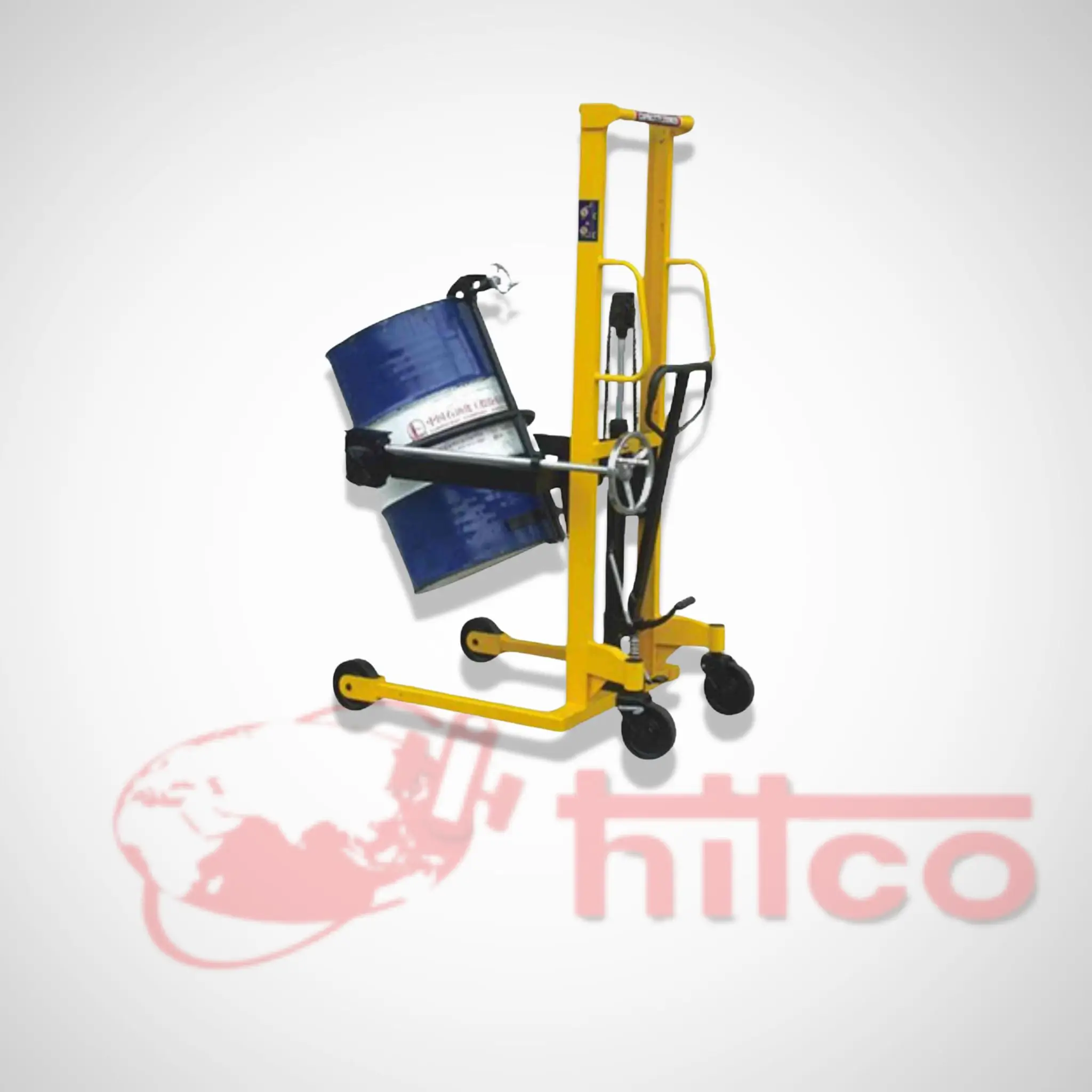
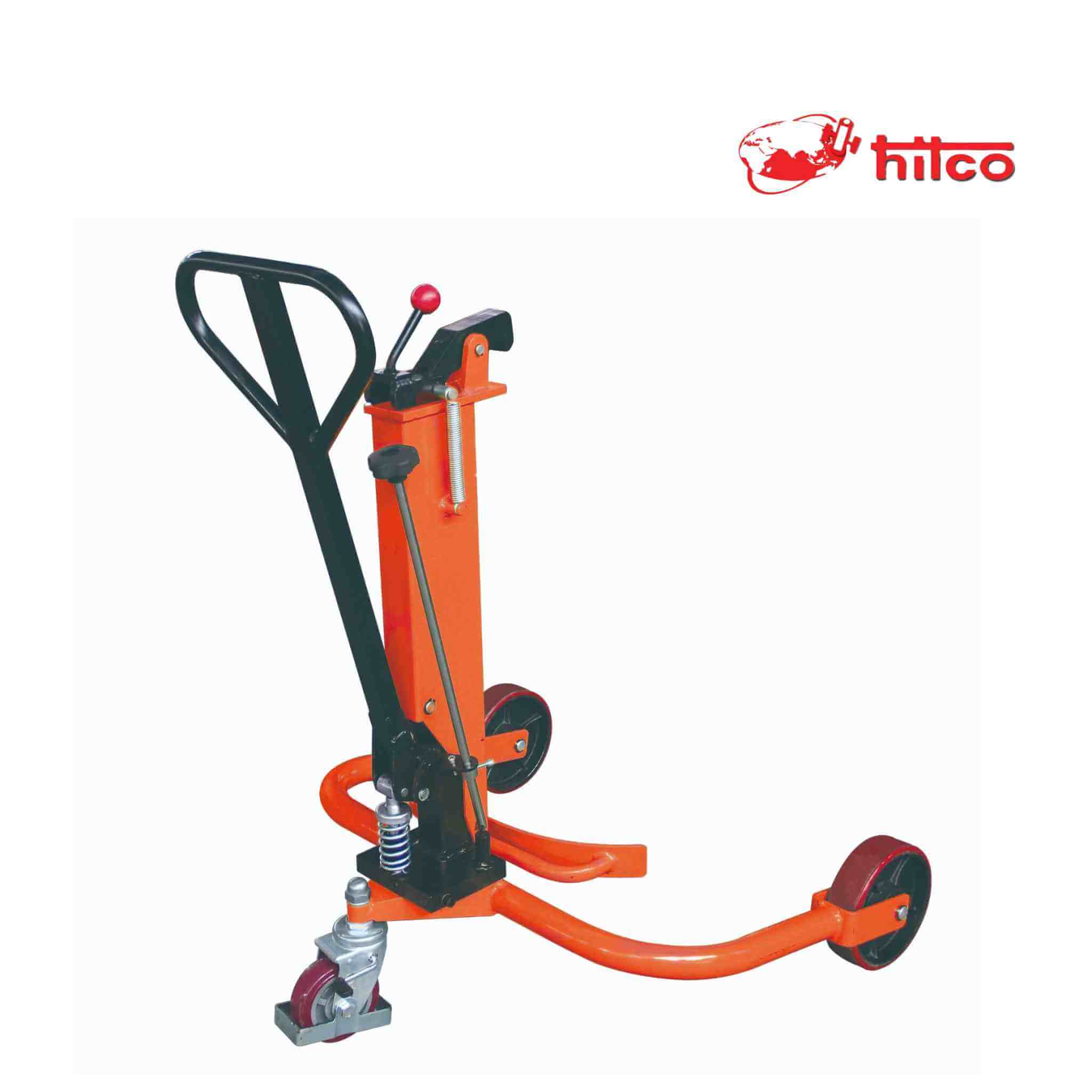
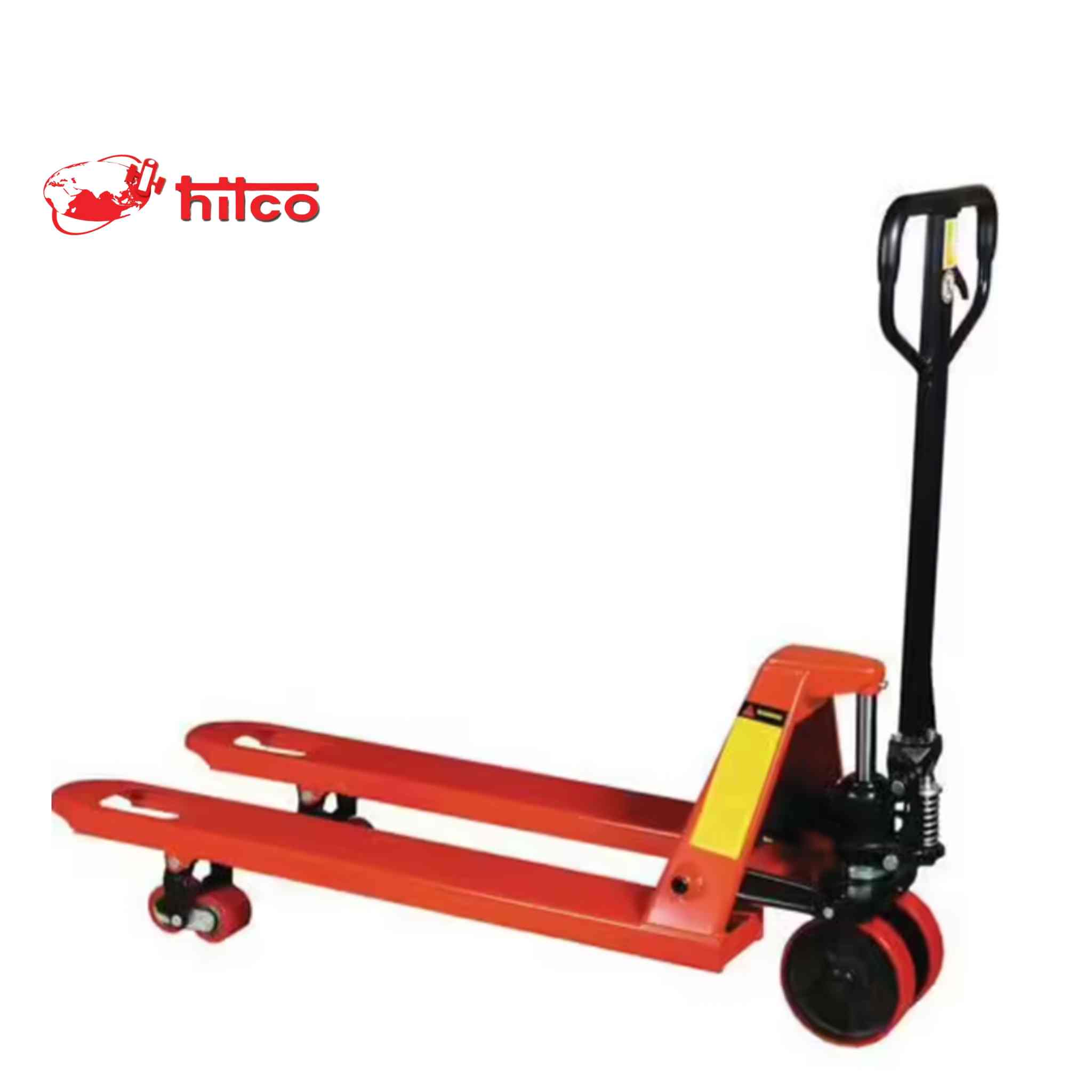
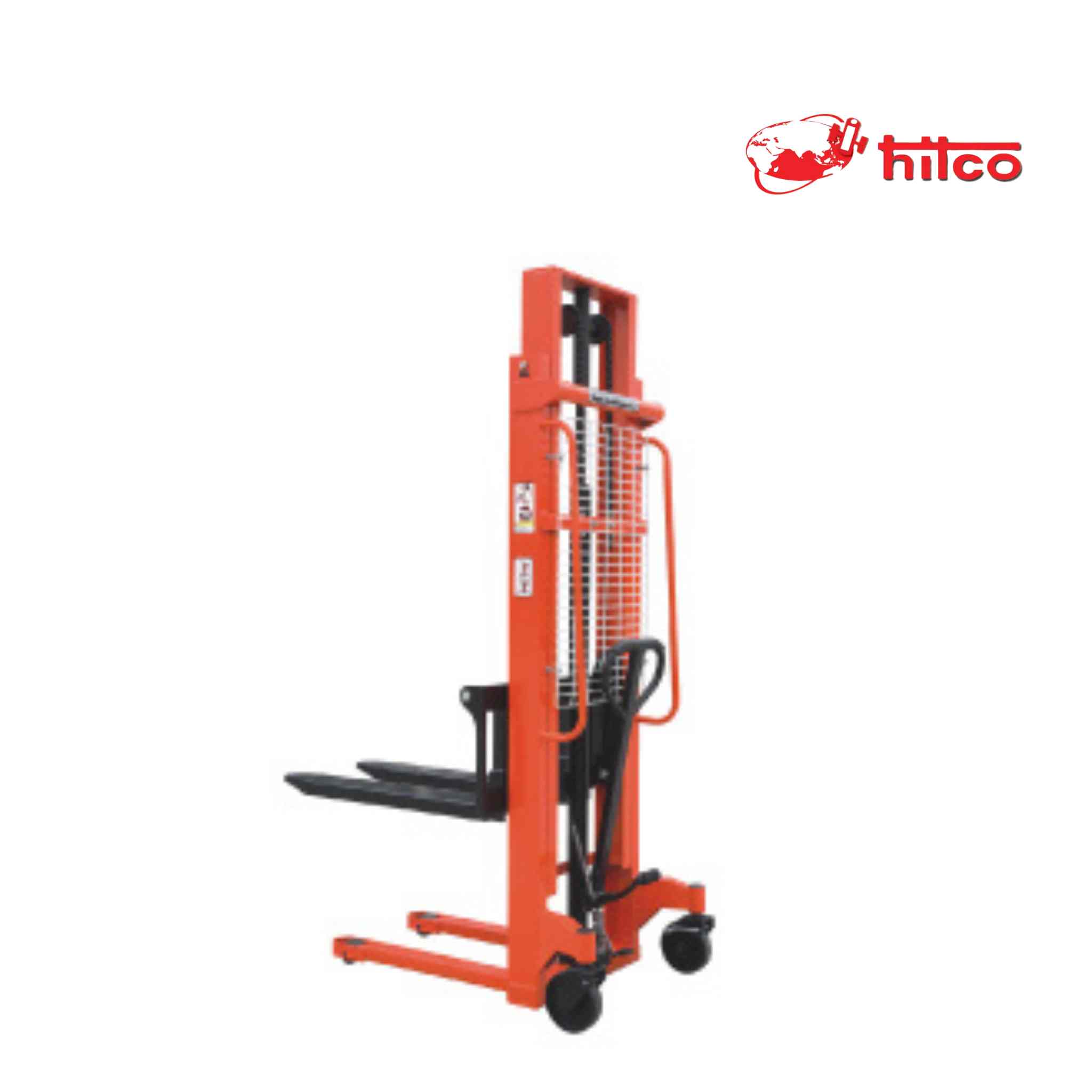
- Full range of equipment: drum lifters, stackers, pallet trucks & more
- Customizable solutions to fit your exact needs
- Seamless installation and hands-on training
- 24/7 customer service and emergency repair teams
- Transparent pricing and no hidden charges
Material Handling Equipment Available at Hitco
-
 Quick View
 -
 Quick View
 -
 Quick View
 -
 Quick View
How to Inspect and Test Equipment Before Buying?
Don’t Just Watch a Demo. Try It Yourself: Ask for a trial period with your actual materials in your actual space. How it works in a showroom is interesting; how it works in your facility with your products is what matters.
Let your operators try it. They’re the ones who’ll use it every day, and they’ll spot issues that might not be obvious in theory.
Measure What Matters tracks actual performance, how many moves per hour, accuracy rates, and any problems or concerns. Compare this to your current methods. The difference is your potential improvement.
Pay attention to how it fits with your current processes. Equipment that requires major workflow changes might not be as beneficial as it first appears.
Common Mistakes to Avoid When Buying Material Handling Equipment
Always recheck the material handling equipment list you started with. It will save you time, money, and operational headaches.
Try to avoid these few mistakes:
- The “Cheap Now, Expensive Later” Trap: If you focus only on purchase price while ignoring operating costs, you might end up with something that’s expensive to fuel, maintain, and insure.
Always calculate the total cost of ownership over the equipment’s expected life. Sometimes paying more upfront saves money overall.
- The “It’ll Be Fine” Safety Shortcut: Do not skip safety features or buy non-compliant equipment to save money; it is a false economy. One accident can cost more than buying proper equipment in the first place.
- The “We’ll Figure It Out Later” Integration Problem: Equipment that doesn’t work with your existing systems creates inefficiencies and workarounds that can eliminate any benefits. Plan for integration from the beginning.
Final Thoughts
Before you buy material handling equipment in Nepal, take a moment to really look at what your business needs. This material handling equipment buying guide helps Nepali businesses avoid costly mistakes and choose the right equipment confidently.
The right choice will keep your team safe, make your workday smoother, and prepare you for what’s ahead. Don’t feel rushed; think about everything from your space to your budget, and try out a few options if you can.
Get Started the Right Way. Ready to improve your material handling? Contact HITCO for a free consultation. We’ll assess your needs, recommend solutions, and show you exactly what the return on investment looks like for your situation.
FAQ’s
What is the best type of material handling equipment for small warehouses?
Hand pallet trucks and manual stackers are the best material handling equipment. They’re affordable and maneuverable in tight spaces.
How often should material handling equipment be maintained?
Routine inspections should happen monthly, but full service checks every 6–12 months, depending on usage.
Can I lease material handling equipment instead of buying?
Yes, you can lease material handling equipment. Leasing options are available for short-term or budget-sensitive operations.
What safety certifications should I look for?
You should look for ISO, CE, and OSHA-compliant models. Do not buy equipment that is not certified or does not have these certified stickers.
How do I calculate the total cost of ownership?
For the total cost of ownership, you should add the upfront cost, yearly maintenance, downtime losses, and energy use.
Are automated material handling systems worth the investment?
Yes, automated material handling systems are especially suited for high-volume tasks. They reduce human error and long-term labor costs.

