


Air compressors are essential tools in many industries and households, providing a powerful source of energy to operate various pneumatic tools and machinery. Among the different types available, Portable vs. Stationary Air Compressors are two of the most commonly used. Choosing between them can be a bit tricky if you don’t fully understand their specific advantages, use cases, and limitations.
Most userswhether homeowners, workshop owners, or industrial operatorsstruggle to determine which air compressor type is most suitable for their needs. The confusion often arises from the lack of clear, application-focused comparisons.
Without the right air compressor, tasks become inefficient, energy is wasted, and tools underperform or fail entirely. Imagine buying an expensive, stationary model for a small garage projector, a portable one that can’t keep up with heavy-duty factory equipment. A wrong choice doesn’t just waste money; it disrupts productivity.
This guide on portable vs. stationary air compressors will walk you through every crucial detailfrom technical differences and user scenarios to pros, cons, and expert suggestions. Whether you’re looking to complete quick home repairs or need a robust system for industrial output, we’ll help you identify which compressor best suits your space, budget, and operational needs.
What Is the Difference, and How Do You Know Which One Fits Your Needs?

Portable and stationary air compressors differ mainly in size, mobility, and output power. Portable ones are designed for convenience and light to medium use, while stationary models are built for high-output, industrial operations. Knowing the scale and frequency of your tasks will guide you toward the right choice.
In this article, we’ll break down the unique features, advantages, and limitations of both types. You’ll also find a side-by-side comparison, expert advice, and tips for choosing the right air compressor based on your individual requirements. Whether you’re working on DIY projects or running factory machinery, there’s a clear path to making the best decision.
What Are Portable Air Compressors?
Portable air compressors are compact, lightweight devices that can be moved easily from place to place. They’re ideal for homeowners, DIYers, and professionals who need mobility. If you need a simple solution for light-duty jobs, this type might be your best bet.
Portable air compressors for home use are specifically engineered for versatility. They’re perfect for tasks such as inflating tires, operating nail guns, and powering small spray guns. Most models are plug-and-play, meaning you can start working almost instantly. They usually come with wheels or handles for easy transport, making them ideal for users who need to shift between different workstations or job sites.
Explore Hitco’s full range of industrial air compressors in Nepal to view specifications, single-phase and three-phase models, tank sizes, and pricing options for your facility.
Advantages of Portable Air Compressors

When looking at Portable vs. stationary air compressors, one big advantage of portable models is how simple and convenient they are to use. They’re a great fit if you need something practical, budget-friendly, and easy to move, without the hassle or bulk of a larger stationary unit.
- Easy to Transport: Portable compressors are lightweight and often come with handles or wheels, making them simple to carry from one location to another without extra effort.
- Simple to Store: Their compact size allows for easy storage in small spaces such as garages, workshops, or tool sheds, keeping your workspace organized.
- Cost-Effective: Portable compressors are usually easier on the wallet than stationary ones, offering solid performance that fits well within most budgets, making them great for those who want reliable power without overspending.
- Convenient Power for Light Tasks: These units deliver just the right amount of power for occasional or light-duty jobs, avoiding unnecessary complexity or oversized equipment.
- Versatile Usage: Portable air compressors handle a wide range of tasks, from inflating sports balls and tires to powering paint sprayers, making them highly adaptable for different needs.
Recommend Read: How Air Compressors in Nepal Help Improve Industries Productivity
Limitations: What Are the Downsides or Restrictions?
Portable compressors generally offer lower power output and shorter runtime. They aren’t designed for industrial-grade tasks or continuous use. If your needs exceed small tools or brief operations, they may fall short.
Because they typically have smaller tanks, these units can’t run continuously for long periods. You’ll often need to pause work to allow the compressor to recharge, which can slow down progress on large projects. They also tend to wear out faster under heavy use. Therefore, for any task that demands high-volume or long-duration air delivery, you may need to consider an alternative.
What Are Stationary Air Compressors?

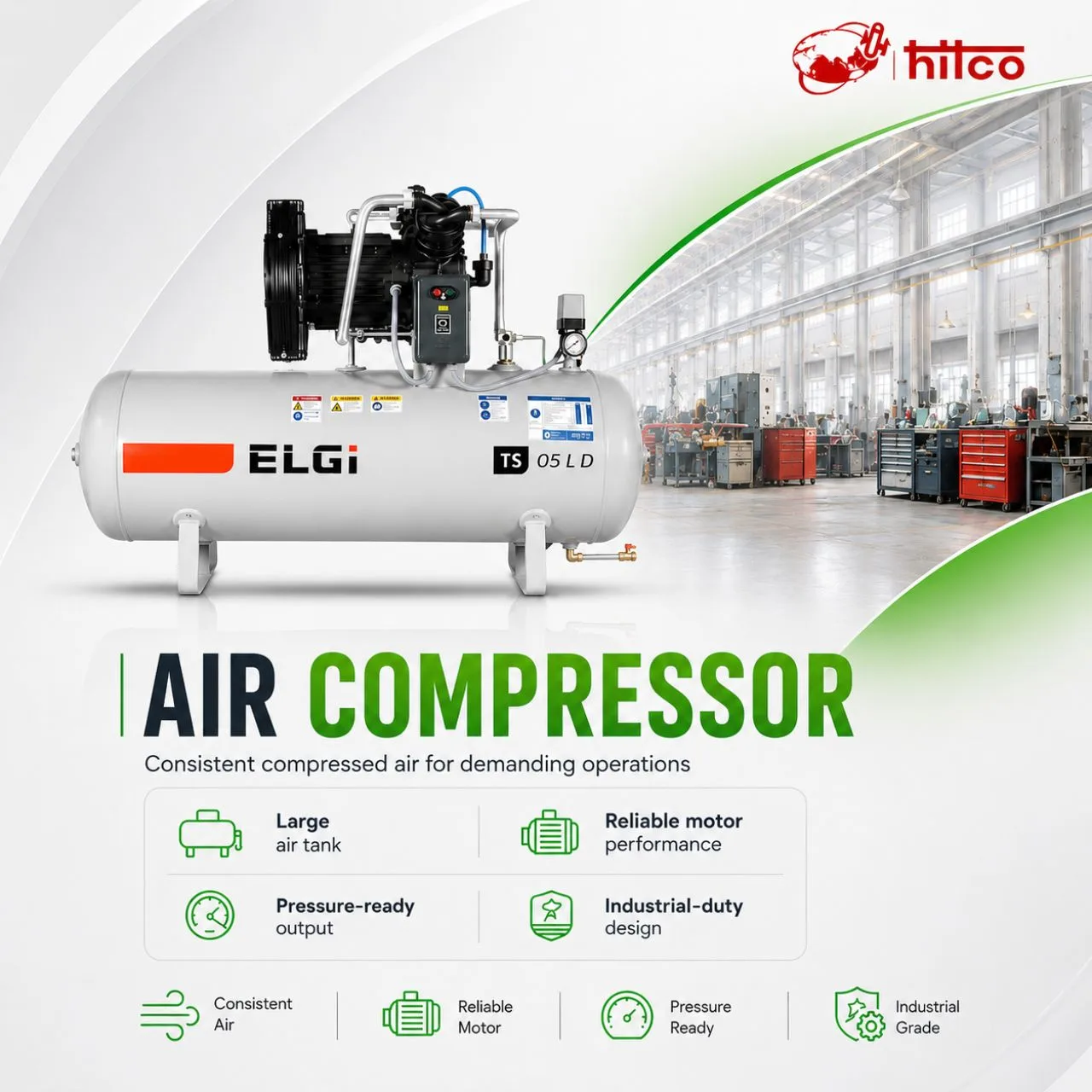
Stationary air compressors are larger, more powerful systems designed for permanent installation. They are typically used in industries, factories, and large workshops. These machines excel in environments where constant, high-pressure air is essential.
Stationary air compressors for factories are the workhorses of the industrial world. These units typically come with large tanks and strong motors that keep the airflow going for longer periods.
Once you’ve got one installed, it becomes a permanent part of your setup, often linked to a network of pipes that carry air wherever it’s needed. This kind of system is super handy for things like spray painting, sandblasting, or running several air tools at the same time.
Advantages of Stationary Air Compressors
Stationary compressors are known for their strength, efficiency, and reliability in demanding work environments. When comparing portable vs. stationary air compressors, it’s clear that stationary models are built to handle continuous, high-power operations over long periods. Below are the key advantages that make them the preferred choice for industrial and large workshop settings:
- High Power Output for Demanding Tasks: Stationary air compressors provide the steady, powerful airflow needed to run heavy-duty toolsperfect for busy factories, auto shops, and large workshops where consistent performance really matters.
- Long-Lasting and Durable Performance: These compressors are designed for long-term use. With sturdy components and industrial-grade motors, they can handle high workloads every day without wearing out quickly.
- Uninterrupted Air Supply: Thanks to their large tank size and continuous operation capability, stationary compressors don’t need frequent pauses to recharge. This makes them perfect for jobs that require nonstop air flow, like sandblasting or spray painting.
- Energy-Efficient Features: Many modern models come with smart technology like variable speed drives and automated pressure control. These features help manage energy use more efficiently, saving you money on electricity in the long run.
- Perfect for Fixed Work Environments: After installation, stationary compressors can be hooked up to a piping system that delivers air across your entire workspace. This allows several tools to operate simultaneously, helping to increase your overall productivity.
Limitations of Stationary Air Compressors: What Should You Consider Before Installing One?

Stationary air compressors are built to be tough and dependable, but they do come with some things to watch out for. Before getting one, make sure you know about the space it needs, the cost upfront, and the maintenance it requires.
Here are a few important points to consider:
- They need a permanent space: Unlike portable models, stationary compressors aren’t designed to be moved around. You’ll need to set aside a fixed location in your workshop or facility just for the unitonce it’s installed, it stays there.
- Installation can be complex and costly: Getting a stationary compressor up and running isn’t always as simple as plugging it in. You’ll often need a professional to handle things like electrical wiring, setting up air pipes, and making sure all the safety measures are in place.
- Not ideal for small spaces: These compressors are large and bulky. If you’re working in a tight garage or a compact workshop, finding enough space for one plus room to operate safely can be challenging.
- Higher initial cost: Stationary air compressors tend to be more expensive upfront. While they’re built to last and can be more efficient over time, the starting investment can be significant, especially for small businesses or individuals.
- Regular maintenance is a must: These machines are real workhorses, but they do need regular care. If you’re using one every day, it’s important to keep up with tasks like checking filters, oil levels, and hoses to keep everything running smoothly.
What Are the Differences Between Portable and Stationary Compressors?
Whether you need a mobile unit for site work or a heavy-duty stationary air compressor system, comparing them side-by-side highlights their main operational differences and helps you select the right stationary air or portable configuration:
Portable compressors are great because they’re easy to handle and usually cost less. On the other hand, stationary compressors pack more power and provide steady, reliable performance for heavier jobs. Both have pros and cons depending on what you need.
Your task type and work environment are the biggest deciding factors.
Feature | Portable Air Compressors | Stationary Air Compressors |
Mobility | High (easy to move) | Low (fixed in one place) |
Power Output | Moderate (light to medium tasks) | High (heavy-duty applications) |
Installation | Minimal setup | Requires professional installation |
Cost | Lower initial cost | Higher initial investment |
Runtime | Shorter (smaller tanks) | Continuous (large tanks) |
Ideal Use | Home, DIY, small workshops | Factories, large-scale operations |
In short, if mobility and budget are your priorities, go portable. But if your work demands uninterrupted, high-pressure air, go stationary.
If you’re unsure which air compressors to buy explore our Air Compressor Nepal: Which One is Right for Industrial Use?
What are the Factors to Consider When Selecting the Right Air Compressor?
Before you make a decision between portable vs. stationary air compressors, it’s important to understand the key factors that influence your choice. Things like power needs, how often you’ll use it, your available space, and budget can all impact which type suits you best. Let’s break down what you should consider so you’ll be able to select the perfect model that fits your needs with confidence.
- Power Requirements: Consider the tools you’ll be working with and how much air pressure they actually need. For example, light tools like brad nailers don’t require a lot of PSI or airflow, but tougher tools like grinders or sanders need a steady, stronger supply. Picking a compressor that matches your tools’ demands helps everything run smoothly without putting too much strain on the machine.
- Frequency of Use: Are you using it occasionally for weekend projects or daily for long hours? If it’s for infrequent tasks, a smaller portable unit should do the job. For regular, intensive use in a workshop, you’ll need a model that can handle continuous operation.
- Available Space: Take a look at where you’ll be placing the compressor. If space is limited, a compact portable model is more practical. Larger stationary units need a permanent setup, which may not be suitable for small garages or crowded work areas.
- Long-Term vs. Short-Term Use: Consider whether this is a short-term solution or a long-term investment. If you’re planning to scale up or take on bigger jobs in the future, investing in a more robust model now might save you money and hassle later.
- Budget: Price definitely matters. Portable air compressors for home use usually come at a lower cost, making them a good, budget-friendly option for everyday tasks. While stationary compressors tend to cost more upfront, they provide better efficiency for industrial jobs. It’s all about picking the model that balances value with your key needs.
- Type of Work Environment: For DIY tasks or small jobs, a portable unit offers flexibility and ease. But if you’re running a professional space, the best air compressor for workshops is usually one that balances portability with higher performance and durability.
Buy Air Compressors Available at Hitco
-
 Quick View
 -
 Quick View
 -

 Quick View
 -
 Quick View
 -
 Quick View
 -
 Quick View
 -
 Quick View
 -
 Quick View
What Do Experts Suggest Based on Your Situation?
Experts recommend matching compressor type with specific use cases. Homeowners should go portable, while factories should invest in stationary systems. Workshops may benefit from hybrid solutions or mid-range models.
For basic household use like inflating, painting, or DIY repairs, portable models are more than adequate. Workshop owners need to assess tool requirements and daily workloads. Sometimes, a dual-compressor setup works best. If you’re managing a factory or industrial line, stationary air compressors for factories are essential for uninterrupted service.
If you’re unsure, professionals can help you choose the air compressor that truly matches what you need it for. Hitco offers expert consultations and a wide product range.
Final Thoughts: Portable vs. Stationary Air Compressors: Which One Should You Choose?
Start by assessing your workload, frequency of use, and workspace constraints. Then weigh the pros and cons of portable and stationary options. Finally, get advice from trusted experts like Hitco to avoid guesswork.
Choosing between portable vs. stationary air compressors isn’t just about costit’s about performance, space, and longevity. If you value convenience and move around a lot, go with portable. If you’re handling industrial-scale tasks and require reliability, go stationary. Either way, informed decisions lead to better outcomes.
Still unsure? Contact Hitco today for expert guidance, or visit our site to explore our premium lineup of portable vs. stationary air compressors tailored to every need.
FAQ’s
What is the main difference between portable and stationary air compressors?
The key difference lies in mobility. Portable air compressors are lightweight and simple to carry around. Stationary air compressors are fixed and built for continuous, heavy-duty use.
Which is better for home use: a portable or stationary air compressor?
A portable air compressor is typically better for home use. Thanks to their small size and how easy they are to move around, these compressors are great for quick, light tasks and won’t take up much space in your home.
Are stationary air compressors more powerful than portable ones?
Yes, they generally provide more pressure and airflow, making them suitable for industrial operations.
What are the advantages of portable air compressors?
They are mobile, affordable, easy to operate, and versatile enough for small tasks.
Can I use a stationary air compressor in a workshop?
Absolutely. It’s often the best air compressor for workshops that need steady airflow for multiple tools.
How do I choose between a portable and a stationary air compressor?
Consider task type, space, power needs, and how often you’ll use it. A buying guide or expert can help.
What industries benefit most from stationary air compressors?
Industries like automotive, woodworking, and manufacturing benefit from stationary air compressors for factories due to their continuous output.
Are portable air compressors energy efficient?
Many models are built to save energy and run efficiently, especially in short-use scenarios.
Can a portable air compressor be used for factory tasks?
Not ideally. They lack the power and capacity for industrial demands.
Where can I buy high-quality air compressors in Nepal?
Visit Hitco’s website to browse a wide selection of compressors suitable for all applications.
What is a good size air compressor for home use?
For standard home and garage tasks (filling tires, cleaning, firing nail guns), a 2 to 6-gallon portable compressor delivering 2 to 4 CFM at 90 PSI is typically sufficient and budget-friendly.
Are portable high-pressure reciprocating compressors available for industrial tasks?
Yes, portable high-pressure reciprocating compressors exist for specialized field applications (like mobile diving or gas filling). However, stationary models perform much better for long, continuous operations requiring maximum CFM output.
How do portable compressors differ in terms of power source?
Portable compressors are powered either by electricity (standard single-phase wall outlets) or fuel engines (gasoline or diesel). Electric models are clean and quiet for indoor work, while gas models offer high mobility in outdoor locations without electric grid access.

