

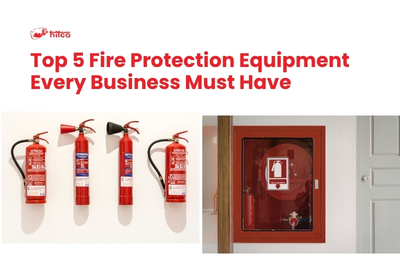
Fire can start without warning. A spark from an overloaded socket or a short circuit can turn a small office into a disaster zone within minutes. In the dense urban centers of Nepal, such as Kathmandu and Lalitpur, narrow streets often delay fire brigade response times. This makes having the right fire safety equipment every business must have your most important line of defense.
Choosing the right fire extinguishers in Nepal can help control small fires before they spread.
Fire safety is not just a regulatory hurdle; it is a smart investment in your team’s survival and your business’s future.
Quick Summary: 5 Must-Haves for Nepal Businesses
- Fire Extinguishers: ABC powder or CO₂ for electrical risks.
- Detection: Integrated smoke & heat detectors.
- Suppression: Automatic sprinklers for warehouses/kitchens.
- Evacuation: Photo-luminescent (glow-in-the-dark) signage and emergency lights.
- Containment: Fire-rated doors (2-hour minimum).
Why Fire Safety Equipment Is Important for Businesses in Nepal
Think of a small shop in Kathmandu where a short circuit suddenly occurs. It may seem small at first, but within minutes, smoke fills the room, and flames start spreading to nearby goods. The situation spirals out of control before anyone can react, and by the time help arrives, the damage has already occurred. That is how rapidly fire moves, like a wild animal that breaks loose.
Fire often starts small, from a loose wire or overloaded socket, but it can quickly turn into a serious disaster. That is why understanding the fire safety equipment every business must have is not just smart; it is necessary.
In Nepal, many businesses still ignore fire safety until it is too late. But the truth is simple: one small step today can protect everything you have built. Fire safety is not an expense; it is an investment in survival.
Why this information is relevant for your business:
- Employee safety: Your staff is your strength. Their safety comes first.
- Asset protection: You can lose goods, machines, and furniture in minutes.
- Business continuity: A fire can shut down operations overnight.
- Legal compliance: Nepal’s National Building Code requires proper safety measures.
- Insurance needs: Without safety systems, claims can be rejected.
Studies show that 40–60% of small businesses never reopen after a major fire. In countries like Nepal, the risk can be even higher due to limited resources and safety systems. Every business should conduct a proper fire safety service process to identify risks and install the right safety systems before an emergency occurs. That is why two things are important:
- Fire Risk Assessment – to identify risks early before they turn into serious problems
- Emergency Response Plan (ERP) – to respond quickly when something goes wrong
Think of it like wearing a helmet while riding a bike: you may not need it every day, but when something goes wrong, it can save your life.
A clear emergency response plan (ERP) is like having a map but not knowing how to read it.
Fire doesn’t give a warning; be ready before it happens. Get expert fire safety equipment for your business today.
The Top 5 Essential Fire Safety Equipment Every Business Must Have

Every business, big or small, should be ready for fire emergencies. Having the right tools in place is like having a safety net; it protects lives, property, and your hard work.
Quick Summary for Business Owners: To comply with Nepal’s National Building Code (NBC 107) and ensure maximum safety, every commercial space needs five core systems: ABC/CO₂ fire extinguishers, smoke & heat detectors, automatic sprinklers, emergency lighting/signage, and fire doors. Investing in these tools reduces the 40–60% risk of permanent business closure following a fire.
Here are five essential types of fire safety equipment every business should have in place:
1. Fire Extinguishers – Your First Line of Defense
Fire extinguishers are the first line of defence, helping control small fires before they become dangerous. Choosing the right type is important water is used for solid materials, CO₂ for electrical fires, dry chemical for multiple fire types, and foam for liquid fires. Regular inspection is also necessary to ensure they are always ready to use.
It is important to understand ABC fire extinguisher uses so you can handle different fire types safely.
Key Points:
- Water extinguishers are used for Class A fires (wood, paper)
- Foam or dry chemical is suitable for Class B fires (liquids)
- CO₂ or dry chemical works best for Class C fires (electrical)
- Regular inspection ensures proper pressure and no damage
Keep extinguishers in easily accessible locations for emergencies
-
 Quick View
 -
 Quick View
 -
 Quick View
 -
 Quick View
 -
 Quick View
 -
 Quick View
 -
 Quick View
 -
 Quick View
2️. Smoke Detectors and Fire Alarms – Early Warning Saves Lives
Fires can start without warning, which is why smoke detectors and fire alarms are essential. Smoke detectors sense smoke early and send alerts quickly, while heat detectors respond to rising temperatures in areas like kitchens. Fire alarms then warn everyone, helping people stay calm and evacuate safely. Modern integrated systems connect these devices to trigger alarms, activate sprinklers, and notify emergency responders.
Key Points:
- Smoke detectors provide early warning by sensing smoke
- Heat detectors are suitable for kitchens and high-temperature areas
- Fire alarms alert people and support safe evacuation
- Integrated systems connect alarms, sprinklers, and emergency alerts
- Help reduce panic and improve response time
Local Insight: For restaurants in Kathmandu, use heat detectors in kitchens to prevent false alarms from cooking steam, but keep smoke detectors in the dining and office areas.
-
 Quick View
 -
 Quick View
 -
 Quick View
 -
 Quick View
 -
 Quick View
3. Sprinkler Systems & Fire Suppression Systems – Automatic Protection
Sprinkler systems activate automatically when heat rises, releasing water to control fires quickly. They help reduce fire spread, protect lives, and lower damage costs. Following a complete fire safety guide helps businesses choose the right suppression systems for better protection. In high-risk areas, specialized fire suppression systems are used for safer control. Although they may cost more at first, they provide strong long-term protection.
Key Points:
- Sprinklers activate automatically with heat
- Help control fires quickly and reduce damage
- Protect lives without human action
- Special systems are used for server rooms, kitchens, and industries
- Offer long-term safety despite higher initial cost
-

 Quick View
 -
 Quick View
 -
 Quick View
 -

 Quick View
 -
 Quick View
A small spark can cost everything; be ready before it happens. Get a professionally designed fire suppression system tailored by Hitco to your business today.
4️. Emergency Lighting, Fire Safety Signage & Fire Doors – Safe Evacuation Essentials
Emergency lighting, fire safety signage, and fire doors are essential for safe evacuation during a fire. Emergency lighting turns on automatically during power failure and helps people see clearly, even in smoke-filled conditions. Proper signage guides people toward exits, staircases, and escape routes. Every business should also have a clear emergency escape plan to guide people safely during evacuation. At the same time, fire doors slow down the spread of fire and smoke, giving more time to evacuate safely.
Key Points:
- Emergency lighting automatically works during power cuts to keep areas visible
- It helps maintain clear visibility even in smoke-filled environments
- Fire safety signage guides people quickly toward exits and safe escape routes
- Fire doors help slow down the spread of fire and smoke, allowing more time to evacuate safely
Compliance Check: Ensure your emergency lights have a battery backup of at least 90 minutes to account for potential power fluctuations.
-

 Quick View
5️. Fire Blankets & Fire Hydrant Systems – Small- and Large-Scale Fire Control
Fire blankets and fire hydrant systems help control both small and large fires. Fire blankets quickly put out small fires by cutting off oxygen, making them useful in kitchens, labs, or for clothing fires. Fire hydrant systems, on the other hand, provide a strong water supply to handle large fires and support firefighters during emergencies. Using the right types of fire extinguishers along with hydrant systems helps improve overall fire control in different situations.
Key Points:
- Fire blankets are used to control small fires by cutting off oxygen
- They are easy to use and ideal for kitchens, labs, and clothing fires
- Fire hydrant systems provide strong water flow for large-scale fires
- Hydrant systems support firefighters during emergency situations
-
 Quick View
Quick Comparison Between Fire Safety Equipment
Equipment | Purpose | Best For | Required Maintenance |
Fire Extinguishers | Manual fire control | Offices, shops, warehouses | Monthly inspection |
Smoke Detectors | Early fire detection | All buildings | Battery check |
Sprinkler Systems | Automatic suppression | Large commercial spaces | Annual servicing |
Emergency Lighting | Safe evacuation | Multi-floor buildings | Battery testing |
Fire Hydrant Systems | Large-scale firefighting | Industrial buildings | Pressure testing |
Regular inspection and proper fire extinguisher maintenance in Nepal ensure all systems remain reliable during emergencies.
The Evolving Importance of Fire Safety in Modern Industries
As businesses become more modern and use more technology, fire risks are also increasing. Today, even a small spark can turn into a big problem if proper safety measures are not in place.
- Increased Electrical Load in Offices: More devices mean a higher risk of short circuits and electrical fires.
- Data Centres & IT Infrastructure Risks: Continuous heat and heavy power use increase the risk of fire.
- Industrial Chemical Hazards: Materials that catch fire easily can lead to quick and dangerous fires.
- Urban Business Density Risks: Fires can easily spread between buildings that are close to each other.
- Climate Factors Affecting Fire Risks: Hot and dry weather increases the risk of fire outbreaks.
How Businesses in Nepal Can Strengthen Fire Safety
Fire safety is about more than just hardware; it is about a culture of readiness. Buying equipment without an Emergency Response Plan (ERP) is like having a map but not knowing how to read it—you have the tools, but no direction when panic sets in.
- Fire Risk Assessment: Helps identify risks like faulty wiring and flammable materials before they become dangerous.
- Emergency Response Plan (ERP): Guides what to do during a fire, including evacuation and responsibilities.
- Fire Safety Training: Trains staff to act quickly, use equipment, and stay calm in emergencies.
- Fire Retardant Coatings: Slow down fire spread and protect the building structure.
- Passive vs Active Protection: Active systems (alarms, sprinklers) act on fire, while passive systems (fire doors, coatings) control its spread.
Maintenance & Compliance Checklist for Fire Safety Equipment

Fire safety equipment only works well when it is properly maintained. Ignoring maintenance is like having a tool that fails when you need it most.
- Monthly Inspection Checklist: Check fire extinguishers, test alarms, inspect emergency lighting, and make sure exits are clear and accessible.
- Annual Servicing Requirements: Get professional servicing for sprinkler systems, fire hydrants, and alarm systems to make sure everything is working properly.
- Documentation: Keep clear records of inspections, servicing, and safety checks for future use and audits.
- Compliance with Safety Regulations: Follow Nepal’s fire safety rules and building codes to stay safe and avoid penalties.
- Insurance Implications: Proper maintenance makes insurance claims easier and can even help lower your premium costs.
Avoid costly risks by understanding common fire extinguisher mistakes to avoid in your workplace.
Industry-Specific Fire Safety Equipment Needs
Every business is unique, and its fire risks are different too. Using the right equipment for your industry is like wearing the right shoes for the right road; it keeps you safe and prepared.
- Offices: Offices need basic safety tools like fire extinguishers, smoke detectors, fire alarms, and emergency lighting to handle common risks like electrical and paper fires.
- Warehouses: Warehouses need stronger protection, such as sprinkler systems, fire hydrant systems, and clear fire safety signage, because of large spaces and stored goods.
- Restaurants: Restaurants should have fire blankets, kitchen fire suppression systems, and extinguishers to safely control oil and grease fires.
- Hotels: Need complete systems including fire alarms, emergency lighting, fire doors, and clear evacuation signage for guest safety.
- Hospitals: Require advanced fire suppression systems, backup power, alarms, and safe evacuation plans for patients and staff.
- Data Centres: Data centres use gas-based fire suppression systems to protect equipment without causing damage.
What Happens When Fire Safety Measures Are Ignored in Business?
Ignoring fire safety is like playing with fire; it may seem harmless at first, but the damage can be enormous and lasting. Understanding what is fire safety and prevention can help businesses avoid such serious risks before they occur.
- Business Closure: Many businesses fail to reopen after a major fire incident.
- Legal Penalties: Not following safety rules can lead to fines or even forced shutdown.
- Loss of Life & Reputation: Fires can cause injuries or loss of life and damage the trust that people have in your business.
- Recovery Challenges: Rebuilding after a fire can be expensive, stressful, and hard without proper planning.
Final Thoughts: Prioritising Fire Safety in the Workplace
Fire safety is not just about having equipment; it’s about being ready before something goes wrong. The right tools, proper training, and smart planning work together to protect your business, your team, and everything you’ve built.
The truth is simple: fire doesn’t wait for the right time. It happens fast, and when it does, every second matters.
Take action today with HITCO for fire safety equipment regularly, upgrading outdated systems, and build a clear Emergency Response Plan (ERP), so your team can follow with confidence. Get in touch with us now
FAQs
What is considered fire safety equipment?
It includes tools like fire extinguishers, smoke detectors, fire alarms, sprinklers, and emergency lighting that help prevent fires and keep them under control.
What are the primary types of equipment used for fire hazards?
The main types include systems that detect fire, like alarms, systems that control it, like sprinklers, and tools that help manage it, like extinguishers and fire blankets.
How do I choose the right fire extinguisher for my needs?
Choose based on fire type: water for solids, CO₂ for electrical, foam for liquids, and dry chemical for mixed fires.
Can water be used to extinguish any type of fire?
No, water should not be used on electrical or oil fires because it can make the situation more dangerous.
What is the difference between active and passive fire protection?
Active systems act on fire (alarms, sprinklers), while passive systems slow it down (fire doors, coatings).
How often should fire safety equipment be inspected or maintained?
Basic checks should be done monthly, and professional servicing should be done at least once a year.
Why is regular fire safety training necessary for employees?
Training helps employees act quickly, use equipment correctly, and stay calm in emergency situations.
When should I use a heat detector instead of a smoke detector?
Use heat detectors in areas like kitchens or dusty places where smoke detectors may give false alarms
What are the most trusted global brands for fire safety gear?
Some well-known brands include Honeywell, Siemens, Tyco, and Kidde.
What should be included in an Emergency Response Plan (ERP)?
An ERP should include evacuation routes, emergency contacts, staff roles, safety procedures, and steps to handle fire incidents quickly and safely.

